
Cracking the Armor: The Invisible Battle of High-Achieving Men
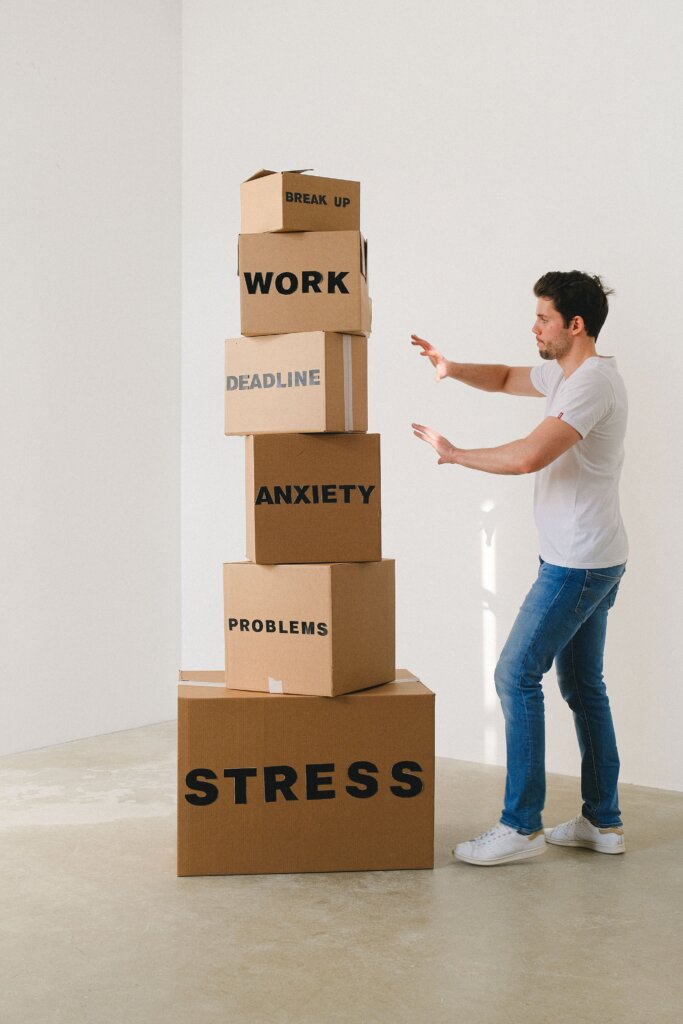
Men are taught to be the strong ones, the protectors, the providers for their families. They jump into battle at a moment’s notice. Rarely are they allowed to show vulnerable emotions or have space to process the weight they are carrying. Outward success and competence can sometimes mask high-functioning anxiety.
The Anxiety Lurking in the Shadows
Founders, CEOs, Entrepreneurs, and Veterans can be especially susceptible to an internal state of hypervigilance, distress, and fear. Building a business, running a successful corporation, performing in the executive suite, and training for war all send your nervous system into overdrive. This adrenaline helps you outwork your peers and provides hyperfocus during the building years. However, operating in this state long term can deliver a host of interpersonal and intrapersonal issues.
Masking
You are trained to be calm, cool, and collected. Your armor masks the constant state of stress and vulnerability you actually feel. There may be feelings of imposter syndrome, as well as feeling completely alone. You may also have a quiet belief that no one is coming to rescue you. This can cause you to sink more into yourself and, in turn, seeking assurance your armor is airtight.
Self-Worth is Tied to Performance
Many high achieving men learned early on that their worth was tied to their achievement or usefulness. They struggle with understanding that they have inherent value just by existing. Their time must always be productive and goal oriented. Validation, love, and safety must be earned.
Fear of Being Exposed
While the stakes are extremely high, the fear is not necessarily linked just to failing. There is anxiety about being seen as weak, incompetent, or fraudulent. In addition, any emotion may feel as if high-achieving men are losing their edge or close to spinning out of control.
The Link between Shame and Control
Hustle culture and optimization have taught us all that there is no rest for the weary. However, men in high powered positions feel as if they should be superhuman. They shouldn’t need to rest or recharge. They can biohack their way through pitfalls on the road to success. This creates a deep sense of shame and a harsh inner critic.
The Signs of an Invisible Battle
The Mental Gymnastics
Look below the surface and you will find a mind that is incapable of shutting down. There is the constant mental replay, over-preparation, and sometimes decision paralysis. Many men feel as if they can’t enjoy their past victories because they should already be prepping for the next hurdle.
The Physical Toll
Constant stress and anxiety begin to take a toll on our physical health. This can look like unexplained chest pain or tightness, sleep issues, tension headaches, or chronic jaw clenching leading to TMJ. Chronic exhaustion can also cause premature ageing.
Coping Behaviors
The behaviors which mask the anxiety can seem altruistic or productive. Men who are high performers can also struggle with workaholism, setting boundaries, saying no, and have difficulty delegating. They may socially withdraw outside of their work persona and may also need to use substances to switch out of high gear.
The Illusion of Vision Casting
Stuck in overdrive as the permanent state not only interferes with our executive functioning but it also has us constantly playing catch up. Men can be in such a constant hyperaroused state that they forget their “why”. The accolades, big paycheck, and large house may come at the expense of their personal happiness and fulfillment.
Building Places Where it’s Safe to Put Down the Armor
There is often shame involved in men asking for help, and our society does not lend kindly to not being able to manage your life on your own. Rome wasn’t built in a day. So transitioning to a place of inner peace and calm takes time, intentionality, and effort. Movement from hyper-independence to learning to be vulnerable about the invisible battle requires a safe therapeutic space. Your honesty and vulnerability won’t be treated as a liability in a trusting objective relationship with an anxiety counselor.